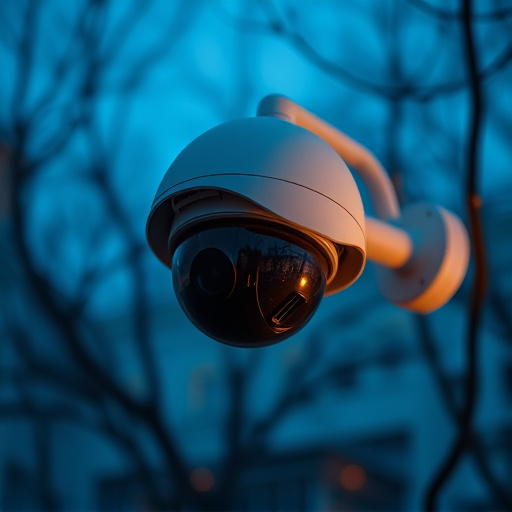
Securing indoor spaces with fake dome bullet cameras requires understanding ideal mounting heights (3-3.7m for domes, 2-3ft for bullets) based on room layout and surveillance needs. Dome cameras offer wide views at higher heights, while bullet cameras focus on specific zones lower down. Optimal placement ensures clear images, privacy, and effective security monitoring for residential or commercial settings.
“Enhance your home or business security with our comprehensive guide on fake security camera mounting heights. Understanding the optimal placement of dome and bullet cameras is crucial for maximizing coverage. This article delves into the unique indoor considerations for each type, highlighting key differences in height requirements. We’ll explore how to optimize field of view and share best practices for realistic simulations. Whether you’re focusing on indoor fake dome or bullet cameras, this guide offers essential insights for effective security.”
- Understanding Dome Camera Mounting Heights
- Bullet Cameras: Indoor Placement Considerations
- Height Differences: Dome vs Bullet Cameras
- Optimizing Field of View for Security
- Best Practices for Fake Camera Mounting
Understanding Dome Camera Mounting Heights
When it comes to securing your indoor spaces, understanding the ideal mounting height for security cameras is key. This is especially true when considering the distinct differences between various types, like indoor fake dome bullet cameras. These cameras offer a range of features and advantages, but their effective field of vision depends heavily on placement.
The standard recommendation for indoor camera mounting is around 10-12 feet (3-3.7 meters) above the ground. However, this can vary based on factors such as room layout, lighting conditions, and specific surveillance needs. For dome cameras, positioning at this height ensures a comprehensive view of the area while maintaining discreteness, making them ideal for residential or commercial settings where aesthetics meet security.
Bullet Cameras: Indoor Placement Considerations
When placing indoor fake dome bullet cameras, understanding their unique features and limitations is key for optimal security. Unlike their outdoor counterparts, these cameras are designed to blend seamlessly into indoor environments, offering a discreet monitoring solution. One critical aspect to consider is height placement—a factor that can significantly impact video quality and the camera’s effectiveness.
The ideal mounting height varies depending on the room’s layout and surveillance goals. Generally, positioning the camera at eye level or slightly above provides a comprehensive view without distorting perspectives. For instance, placing it 6-8 feet (around 1.8-2.4 meters) above the floor in a standard ceiling is often an effective strategy. This height ensures clear, unobstructed vision while capturing details crucial for indoor security monitoring, thus leveraging the advantages of indoor fake dome bullet cameras.
Height Differences: Dome vs Bullet Cameras
When considering fake security camera mounting heights, it’s crucial to understand the indoor fake dome and bullet camera differences. Dome cameras, popular for their discreet appearance, are typically mounted higher—often 4-5 feet off the ground—due to their wide field of view and coverage. This height is ideal for spacious areas where a single camera can monitor multiple entries or exits effectively. In contrast, bullet cameras, known for their sharp, zoomed-in images, are usually installed at lower heights, around 2-3 feet, focusing on specific zones that require closer surveillance.
The indoor fake dome and bullet differences extend to installation flexibility as well. Dome cameras offer more versatility in terms of angle adjustments, allowing for a broader range of monitoring options. Bullet cameras, while powerful, have fixed lenses, demanding precise mounting for optimal performance. These distinctions are vital when designing a comprehensive security system tailored to specific indoor spaces.
Optimizing Field of View for Security
Optimizing your security camera’s field of view is essential for effective monitoring and deterrence. When considering indoor fake dome bullet cameras, understanding their unique differences can significantly impact the coverage area. These variations often stem from the lens quality, resolution, and mounting options available. For instance, higher-quality lenses provide sharper images and wider angles, allowing you to capture more details from a single position.
Mounting height plays a crucial role here. The ideal placement depends on the camera’s type and the specific coverage needed. In many cases, positioning the camera at eye level or slightly above can offer a comprehensive view without creating an obvious security presence. This subtle approach ensures that the camera captures genuine activity while maintaining privacy, which is particularly important in residential settings where indoor fake dome bullet cameras are commonly used.
Best Practices for Fake Camera Mounting
When mounting fake security cameras, whether indoor or outdoor, it’s crucial to consider the best practices for optimal visibility and deterrence. For indoor spaces, understanding the Indoor Fake Dome Bullet Differences is key. Dome cameras offer a wide field of view but require careful placement to avoid obstructed angles. Mount them at eye level or slightly elevated to mimic real surveillance, ensuring they capture clear footage without capturing sensitive areas like personal spaces.
Differences in camera design also impact mounting heights. Bullet cameras, for instance, are often mounted lower due to their compact size and focused field of view. Aim for heights that provide a balanced combination of coverage and privacy, typically between 5 to 10 feet (1.5 to 3 meters) above the ground. Regular maintenance and adjustments are essential to ensure these fake cameras remain effective deterrents over time.
When it comes to indoor security, understanding the unique mounting requirements of fake cameras is essential. By considering the distinct characteristics of dome and bullet cameras, such as their height differences and field of view optimization, you can create an effective surveillance system. Whether you’re choosing between indoor fake dome or bullet cameras, proper placement ensures maximum coverage without unnecessary costs. Remember, the key to successful security lies in meticulous planning and leveraging the right tools, like these mounting guides, to make informed decisions for your specific needs.